

Our Approach to Creating Lasting Change in South Sudan
At National Empowerment Development Program, we believe sustainable development requires more than good intentions—it demands deep community partnership, local expertise, and adaptive strategies that respond to South Sudan’s unique challenges.
Community-Led Development
We don’t impose solutions; we co-create them.
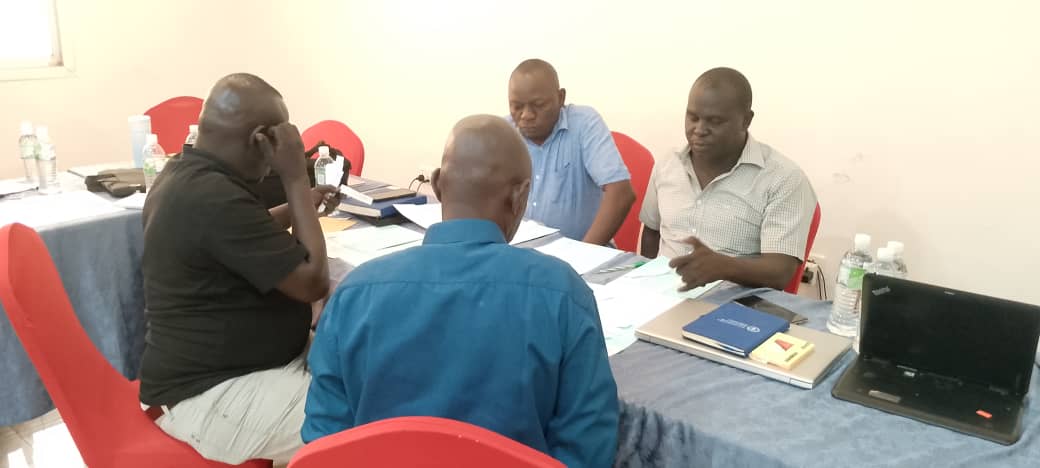
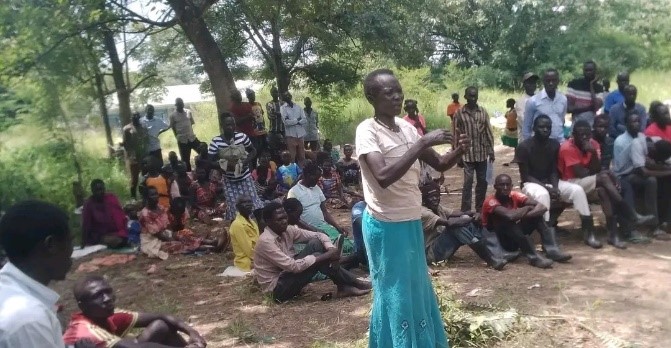
Our work begins by listening. We engage community leaders, women’s groups, youth organizations, and local authorities to understand their priorities, existing strengths, and barriers to progress. Every program is designed in partnership with the communities we serve, ensuring interventions are culturally appropriate, locally owned, and built to last beyond our presence.
In practice, this means:
- Establishing Community Advisory Committees in every location where we work
- Conducting participatory needs assessments before launching any initiative
- Hiring and training local staff who understand the cultural context and speak local languages
- Building the capacity of community-based organizations to eventually lead programs independently
Our Core Methodology
1. Assessment and Partnership Building
We begin every engagement by understanding the local context—conducting baseline surveys, mapping existing resources, identifying key stakeholders, and establishing relationships with local government, traditional authorities, and civil society organizations. This foundation ensures our work complements rather than duplicates existing efforts.
2. Participatory Program Design
Together with community members, we develop detailed implementation plans that define clear objectives, realistic timelines, and measurable outcomes. We use proven frameworks adapted to South Sudan’s context, incorporating traditional knowledge systems alongside evidence-based practices.
3. Capacity Building and Training
Rather than creating dependency, we invest heavily in building local capacity. We train community health workers, teachers, agricultural extension workers, peace mediators, and local organization leaders—equipping South Sudanese with skills that extend far beyond individual projects.
4. Implementation with Continuous Learning
We implement programs with flexibility, using real-time monitoring to track progress and adapt quickly to changing circumstances. In South Sudan’s dynamic environment—where seasonal flooding, intercommunal tensions, or displacement can rapidly alter conditions—adaptive management is essential.
5. Monitoring, Evaluation, and Knowledge Sharing
We measure both outputs and outcomes, using participatory evaluation methods that include community voices in assessing impact. We share learnings transparently with partners, donors, and other organizations working in South Sudan, contributing to collective learning across the humanitarian and development sectors.
How we address key challenges
Working in Remote and Insecure Areas
South Sudan’s poor infrastructure and periodic insecurity create significant operational challenges. We address these through forward-deployed teams living in the communities we serve, strong security protocols developed with local partners, and diversified supply chains that can function even when access is limited.
Ensuring Accountability and Transparency
We maintain rigorous financial controls, conduct regular audits, and use community feedback mechanisms including suggestion boxes, community meetings, and third-party monitoring. Our beneficiary feedback system ensures community members can report concerns safely and see how their input shapes our work.
Coordinating Across Sectors
Complex challenges require integrated solutions. We coordinate closely with UN agencies, international NGOs, local organizations, and government ministries, participating in humanitarian clusters and development working groups to ensure our efforts align with broader strategies.
Bridging Relief and Development
In South Sudan’s protracted crisis, we work simultaneously on immediate humanitarian needs and longer-term development goals. We provide emergency assistance during acute crises while investing in systems that build resilience helping communities move from survival to stability.
Our Partnerships
We cannot create sustainable change alone. We work in partnership with:
- Local communities and civil society organizations who are our primary partners and beneficiaries
- Government ministries and local authorities to strengthen public services and governance
- International organizations and UN agencies for coordination, funding, and technical expertise
- Private sector actors to create economic opportunities and supply chain solutions
- Academic and research institutions to ensure our work is evidence-based
- Diaspora networks who contribute resources, expertise, and advocacy
Measuring Our Impact
We track both quantitative and qualitative indicators of change, from the number of people reached to shifts in community resilience, social cohesion, and local capacity. We commission independent evaluations, publish impact reports, and remain committed to learning from both our successes and our challenges.
Most importantly, we measure success not just by what we accomplish, but by what communities can sustain and scale after we’ve transitioned our support.
Become our donor/partner
Join Us in Making a Difference
The time to make a difference is now. Choose how you’d like to get involved:
Become a Partner — Let’s explore how we can work together to amplify our impact. Contact our partnership team to start the conversation.
Make a Donation — Your generosity transforms lives. Donate now and become part of the solution today.
Principles That Guide Our Work
Do No Harm — We carefully analyze how our interventions might inadvertently create conflict, exacerbate inequalities, or create dependency, and we design programs to mitigate these risks.
Gender Equality and Social Inclusion — We actively promote the participation and leadership of women, youth, people with disabilities, and marginalized groups in all our programs.
Environmental Sustainability — We consider the environmental impact of our work and promote practices that protect South Sudan’s natural resources for future generations.
Conflict Sensitivity — In South Sudan’s fragile context, we analyze the conflict dynamics in every location and ensure our programs contribute to peacebuilding rather than reinforcing divisions.
Accountability to Affected Populations — The communities we serve are not passive beneficiaries but active participants who have the right to shape our work, provide feedback, and hold us accountable.